Should Urban Drivers Buy the Mini Cooper Electric?
Estimated Reading Time: 10–12 minutes
Key Highlights
- Real-world range, charging, and daily usability
- Design, interior, and technology experience
- Practicality: space, comfort, and limitations
- Electric vs gasoline MINI COOPER: which makes more sense?
- Who should (and should not) buy this car
In an era where electrification and urban commuting needs are rapidly evolving, models like the Mini Cooper Electric are gradually shifting from niche lifestyle choices to highly scenario-specific, rational purchases. This is not a car designed to do everything—it is a product carefully engineered around a specific urban lifestyle. Whether it is worth buying depends less on raw specifications and more on how well it aligns with your daily usage.
From a positioning standpoint, the all-electric MINI COOPER is essentially a two-door compact hatchback focused on “urban commuting + distinctive design + driving fun.” It feels more like a hybrid between a mobility tool and a fashion statement, rather than a traditional all-purpose family car. This fundamental positioning explains both its strengths and its limitations.
In terms of powertrain and range, the new electric MINI COOPER offers two variants: COOPER E and COOPER SE. Early models are equipped with battery packs ranging from approximately 51.5kWh to 54kWh, delivering up to around 456 km of range under the CLTC standard. Under the more realistic WLTP cycle, range falls between 235 and 270 km. While this may not stand out in the broader EV market, it is actually well-calibrated for urban usage. For a typical commuter driving around 30 km per day, charging once a week is generally sufficient, even accounting for traffic or occasional detours.
Charging efficiency further reinforces its city-focused design. With DC fast charging, the battery can go from 10% to 80% in about 30 minutes—essentially a lunch break. With 11kW AC charging, overnight charging ensures a full battery by morning. That said, real-world range will still vary depending on driving habits (such as aggressive acceleration or braking), passenger load, and ambient temperature, especially in extreme weather conditions.
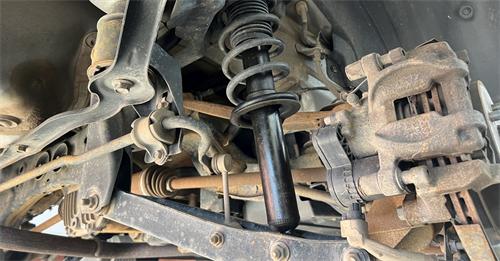
If range answers the question of usability, then driving dynamics determine how enjoyable the car is. The electric MINI COOPER retains the brand’s signature “go-kart-like” handling—precise steering, agile body control, and a compact footprint that makes it exceptionally capable in tight city streets and winding roads. With a turning radius of about 5.4 meters, it is particularly well-suited for narrow parking spaces and dense urban environments. The suspension setup—MacPherson strut in the front and multi-link at the rear—balances sportiness with everyday comfort, offering minimal body roll and confident lane changes.
Performance-wise, the COOPER SE features a 135 kW motor with 270 N·m of torque, achieving 0–100 km/h in approximately 7.3 seconds. It feels quick off the line, especially in city traffic, and the smooth, linear power delivery eliminates the jerky sensations often associated with internal combustion engines. This blend of responsiveness and control is a core reason why many buyers are drawn to MINI.
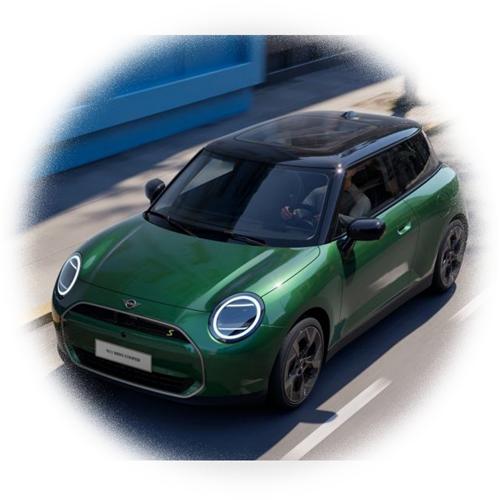
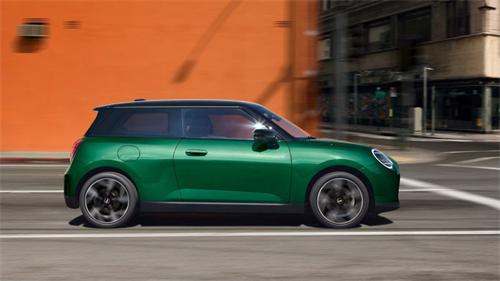
Design remains one of its strongest appeals. The iconic round LED headlights, minimalist grille, and “four wheels at the corners” stance give it a timeless yet modern look. Measuring roughly 3858 × 1756 × 1458 mm, it appears compact but feels nimble and purposeful. Paired with 17-inch wheels and a wide range of personalization options—such as British Racing Green paint, contrasting roofs, and accent details—it naturally attracts attention. For younger buyers or couples who value aesthetics and individuality, this “emotional value” can be a decisive factor.
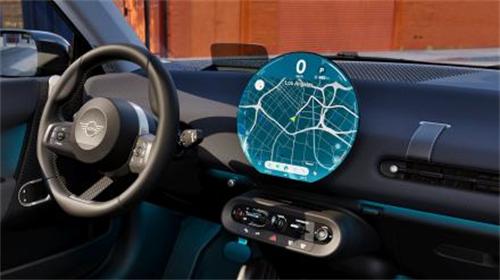
Inside, the cabin blends retro charm with modern technology. The 9.4-inch circular central display echoes MINI’s heritage while supporting wireless Apple CarPlay and Android connectivity. Voice control further enhances usability. Seating options include fabric/leatherette combinations or Vescin materials, offering good support and comfort over longer drives. For a driver around 180 cm tall, front-row headroom remains adequate. However, the rear seats are better suited for short trips or occasional use rather than extended journeys.
In terms of features, the car is surprisingly well-equipped for its class. Standard safety equipment includes six airbags (including a front center airbag), automatic emergency braking, collision warning, blind-spot monitoring, automated parking, and reverse assist. Higher trims offer additional features such as adaptive LED headlights, heated seats, heated steering wheel, and optional Level 2 driver assistance, significantly improving everyday convenience and safety.
Practicality follows a similar “sufficient but not excessive” philosophy. The trunk offers about 211 liters of space, enough for two carry-on suitcases. The rear seats fold in a 60:40 split, expanding cargo capacity for short trips or light outdoor activities. However, it is clearly not designed to function as a primary family vehicle.
Of course, the limitations are just as clear. Rear seat space is tight for adults on longer journeys. The WLTP range of 235–270 km is best suited for urban or short-distance driving, and long trips require careful charging planning. Some comfort features are missing in the base trim, requiring an upgrade for a more complete experience. Additionally, compared to mainstream premium brands, resale value and brand perception may not be as strong.
In terms of pricing, the electric MINI COOPER starts at around RMB 209,800 (approximately $30,400) in China, with promotional editions lowering the entry barrier even further. Higher-performance versions, such as the SE or future JCW models, approach the pricing of high-end gasoline variants. By comparison, gasoline MINI COOPER models range from roughly $33,900 to $41,000, offering advantages in refueling convenience and long-distance usability.
Ultimately, there is no absolute winner between electric and gasoline versions—it depends entirely on your use case. If your driving is primarily urban and you have reliable charging access, the electric MINI COOPER offers lower operating costs, a quieter ride, and better tech integration. If you frequently travel long distances or prefer traditional driving dynamics, the gasoline version may be more suitable.
In essence, this car has a very clearly defined target audience. It is ideal for those who already own a primary family vehicle and want a second car for commuting, errands, or school runs. It suits MINI enthusiasts or buyers who prioritize design and individuality. It also appeals to drivers who value engagement and want everyday driving to remain enjoyable. On the other hand, if you need a single vehicle to handle family trips, long-distance travel, and maximum practicality, this is unlikely to be the right choice.
The conclusion is straightforward: the Mini Cooper Electric is not a car that tries to excel at everything—it excels at being exactly what it is meant to be. It trades space and long-range capability for driving fun, distinctive design, and a lifestyle-oriented experience. For the right buyer, it is more than transportation—it is an extension of personal identity. For the wrong buyer, its compromises will be impossible to ignore.
References
1. BMW Group. (2024). The New MINI Cooper Electric: Product Specifications and Features. Retrieved from official MINI global website.
2. Car and Driver. (2024). MINI Cooper Electric Review: Driving Impressions and Range Analysis.
3. MINI China. (2026). [All-Electric MINI Cooper Official Page (China)](https://www.minichina.com.cn/zh_CN/home/range/all-electric-mini-cooper.html?utm_source=chatgpt.com). MINI China Official Website.
About the Author
Daniel Whitmore, MSc Automotive Engineering
Daniel Whitmore is an automotive analyst and former vehicle dynamics engineer with over 12 years of experience in the European automotive industry. He holds a Master’s degree in Automotive Engineering from the University of Leeds and has contributed to multiple EV development and testing programs. His writing focuses on translating complex vehicle engineering into practical consumer insights.
Editorial Transparency Statement
This article is based on publicly available specifications, industry reports, and real-world usage scenarios. It is intended to provide objective analysis without influence from manufacturers, dealerships, or commercial partnerships. No sponsored content or paid endorsements are included.
Frequently Asked Questions (FAQ)
1. Is the electric MINI COOPER suitable as a primary family car?
Not really. While it excels in urban commuting, its limited rear space and range make it less suitable for families needing one all-purpose vehicle.
2. How often do you need to charge it?
For typical urban use (20–40 km per day), charging once per week is usually sufficient.
3. Does it work for long-distance travel?
It can, but it requires careful planning due to its relatively modest WLTP range (235–270 km).
Recommended for you